Shelf Life of Packaged Products
Shelf life is the period during which a packaged product remains safe, stable and acceptable under specified storage conditions. PCRI helps food and pharmaceutical companies determine it, and the packaging that protects it.
The Key Principle
Shelf life is never a property of the product alone. It depends on the product, the packaging around it and the conditions it is stored in.
Major Factors
These are the factors that decide how long a packaged product lasts.
- Product characteristics
- Packaging barrier properties
- Temperature and humidity
- Oxygen, moisture and light
- Microbial and chemical stability
The Role of Packaging
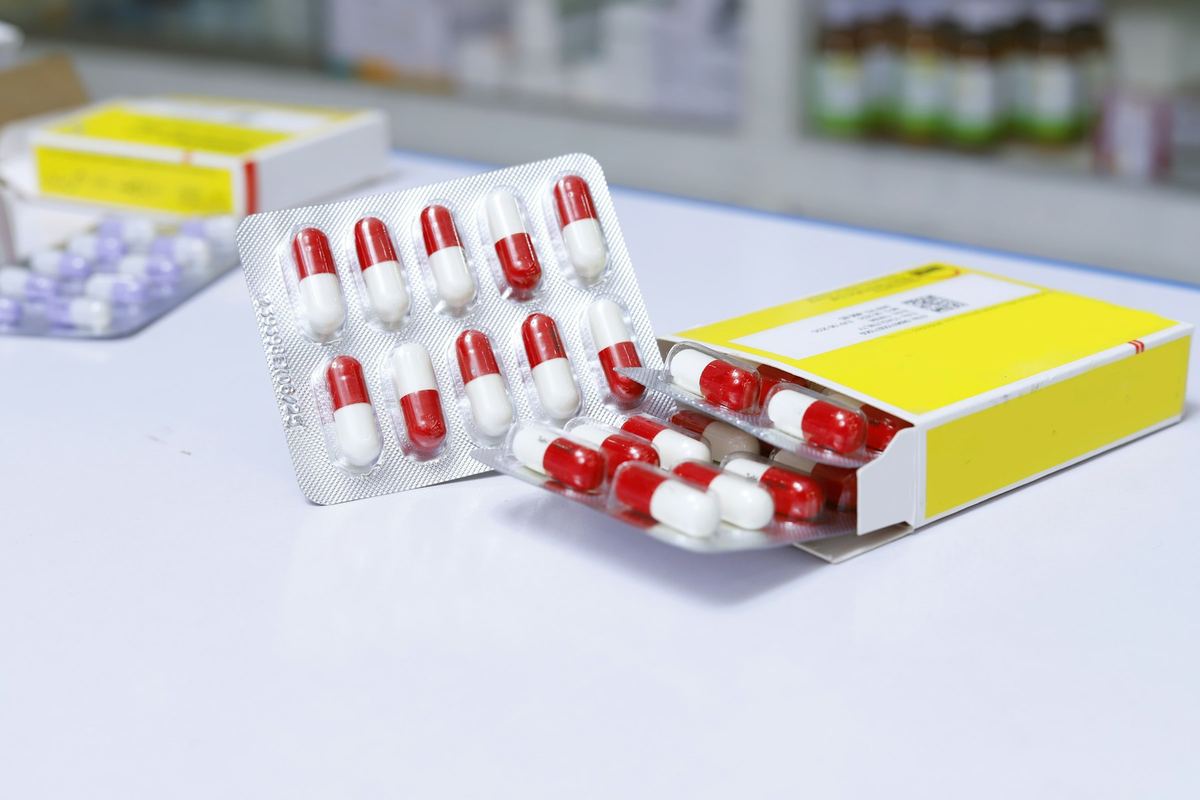
Packaging protects the product from the five things that shorten its life.
- Moisture
- Oxygen
- Light
- Contamination
- Physical damage
How Shelf Life Is Determined
Three approaches, used alone or together depending on the product and how quickly an answer is needed.
Real-time testing
The packaged product is stored under its normal conditions and checked over its full intended life.
Accelerated shelf-life testing
Raised temperature and humidity are used to estimate shelf life in a shorter time.
Packaging performance tests
WVTR, OTR, seal strength and leakage tests measure how well the packaging itself protects the product.
Plan a Shelf-Life Study
Share the product, the packaging and where it will be sold. We will suggest the right combination of tests.
- Someone from the team will call or write back on the next working day.
- Sending samples? Fill in the Customer Request Form and send it with them.
- Prefer to talk? Call or WhatsApp +91 91608 14321.
Request a Quote
Thank you. Your request is with PCRI.
Someone from the team will call or write back on the next working day.