Careers and learning · 3 min read
Fifteen Years on the Floor and No Packaging Qualification. Now What?
Turning experience into a credential without leaving the job: what a structured course adds to years of practice, and what to check before you enrol.
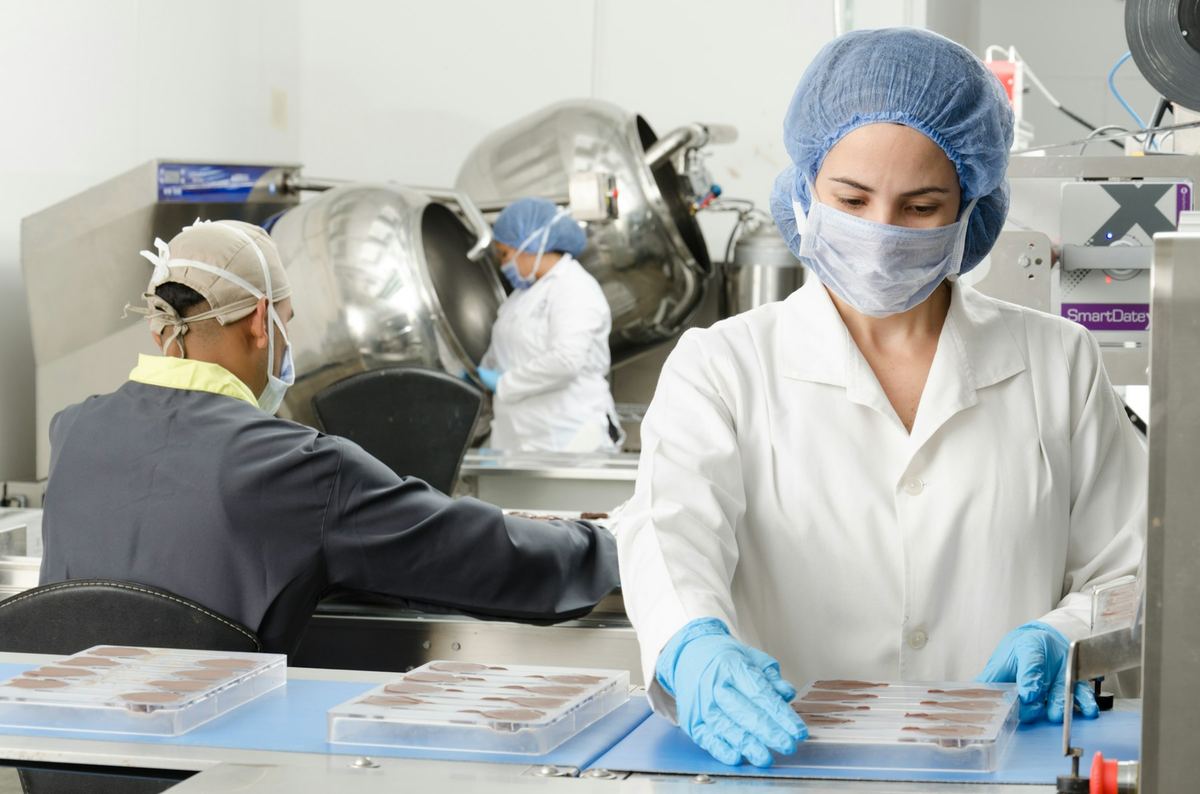
Many of the people who keep packaging lines running learned the work on the job. They know which reel will give trouble on a humid day, why a carton jams at the folder-gluer and what a customer means when they say a pouch "feels wrong". What they often do not have is a qualification that says so, or the theory that explains why the things they know are true.
That gap starts to matter at certain points in a career: a move into quality or development, a promotion that brings supplier and customer meetings, an application to a larger company, or taking over a family business.
What Structured Study Adds to Experience
Experience teaches you what works on your machines, with your materials and your customers. A structured course adds three things that experience rarely gives in an orderly way.
The whole field, not only your corner of it. Someone from a corrugated plant may never have worked with flexible laminates, glass or metal. Packaging decisions increasingly cross materials, and so do careers.
The science behind the practice. Knowing that a board loses strength in the monsoon is useful. Knowing why, and how to measure it, is what lets you write a specification, argue with a supplier on data or solve a problem you have not seen before.
Standards and the language of testing. Customer specifications, audits and export requirements are written in terms of standards and test methods. Being able to read them confidently changes the conversations you can lead.
Studying Without Leaving the Job
For most working people a full-time course is not realistic. PCRI's One-Year Online PG Diploma in Packaging was designed around that fact:
- three live online classes a month, 36 technical sessions across the year;
- three papers covering packaging fundamentals, materials, printing and management; plastics, jute and cloth, metal and glass; and distribution, machinery, laws and standards and product packaging;
- a project with each paper, ideally on a problem from your own workplace, and three days of practicals;
- eligibility for graduates, or for those with 10+2 and at least five years' experience.
On successful completion, participants receive the Post Graduate Diploma in Packaging and the Qualified Packaging Professional (QPP) recognition, both awarded by PCRI. The programme is professional education for working people; it is not affiliated to or accredited by a university, and it is not a substitute for a university degree.
Make the Project Count
The workplace project is where experience and study meet. Choose a problem your plant actually has: a recurring complaint, a material cost you suspect is too high, a test you have never been able to run. Done well, the project gives your employer a result they can use and gives you something concrete to talk about in your next review or interview.
It is also a good argument for sponsorship. Many employers will support a course that develops a technically stronger employee without taking them off the floor for a year. PCRI discusses sponsored seats and in-plant projects with employers directly.
What to Check Before You Enrol
- Who awards the qualification, and whether it is affiliated to a university. Ask the question directly of any course.
- The syllabus, paper by paper, and whether it covers the materials and processes you will need next, not only the ones you know.
- How classes are scheduled, whether sessions are live, and what happens if you miss one.
- How you are assessed: projects, practicals and examinations.
- The full fee, including taxes, and the payment options.
The 11th batch of the PG Diploma starts on 1 December 2026. The fee for students in India is ₹72,000 plus GST, with 10% off if it is paid at once. The brochure on the PG Diploma page has the full syllabus and the admission documents.