Corrugated and paper · 3 min read
Why Corrugated Boxes Fail in Transit When They Passed at the Plant
Humidity, time under load and the way a pallet is stacked. What a box compression number does and does not tell you, and the tests that predict the journey better.
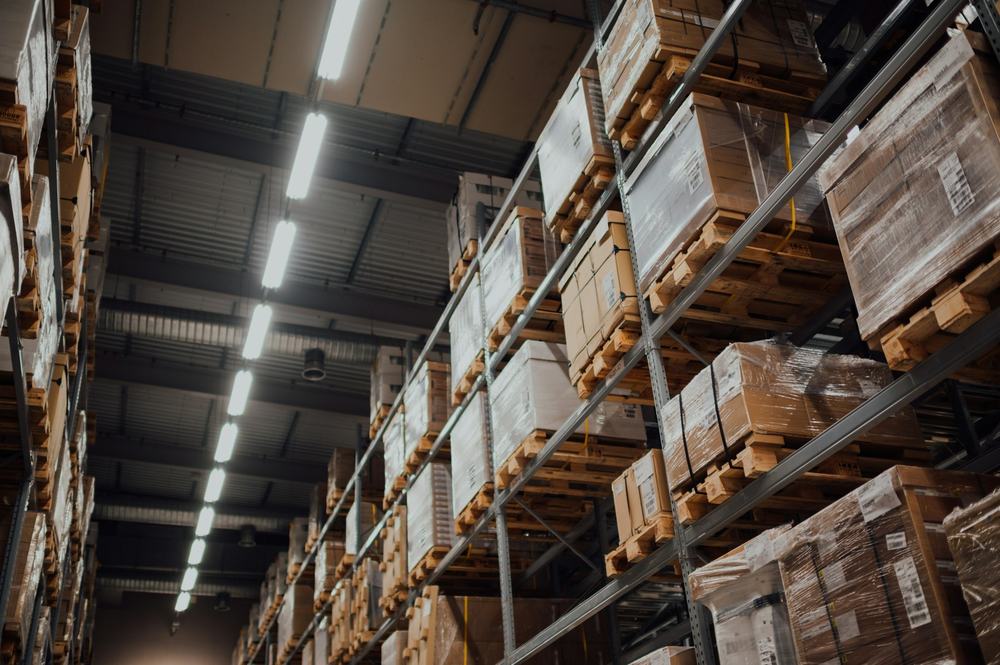
It is one of the most common complaints a packaging laboratory hears. The boxes were tested at the plant, the compression result was comfortably above the specification, and yet a few weeks later the bottom layer of a pallet has bulged, leaned or collapsed in a warehouse or a truck.
Usually the test was not wrong. It answered a narrower question than the one the supply chain asks.
What a Box Compression Number Tells You
A box compression test squeezes an empty or filled box between two flat platens at a steady speed and records the highest load it carries before it buckles. The test takes minutes, and it is normally done after the boxes have been conditioned in a standard laboratory atmosphere of 23°C and 50% relative humidity, so that results from different days and different laboratories can be compared.
That makes the number very useful for quality control: it tells you whether this lot of boxes is as strong as the last one, and whether a change in board or design has made a difference. What it does not do on its own is describe the conditions the box will meet after it leaves the plant.
What Happens After the Box Leaves
Humidity
Paper takes up moisture from the air, and as its moisture content rises the board loses stiffness. A box stored through an Indian monsoon, in a cold room or in a container crossing the sea is not the box that was tested at 50% relative humidity. Published studies show that compression strength can fall by a large share, in some cases close to half, as relative humidity rises from around 50% to 90%.
Time under load
In the laboratory the box reaches its peak load within minutes. On a pallet it carries the weight of the boxes above it for days or weeks. Corrugated board creeps under a sustained load, so a box can fail in storage at a load well below the figure on its test report. This is why box designers apply safety factors for storage time, humidity and handling, rather than working to the compression result itself.
Stacking and the pallet
Most of a box's strength sits in its corners and vertical edges. When boxes are stacked corner on corner in columns, the load runs straight down those edges. Interlocked stacking, boxes overhanging the pallet edge, and gaps between pallet deck boards all move the load onto the weaker panels and reduce the strength you actually get.
Handling and transport
Drops at loading points, vibration on the road and clamp handling all damage corners and edges. A box with a crushed corner has lost a good part of its stacking strength before the stack is even built.
The Tests That Predict the Journey Better
No single test replaces real distribution, but two kinds of testing come much closer to it than a compression number at standard conditions.
- Compression after conditioning at the climate the box will meet. Holding samples at high humidity before the compression test shows how much strength is left when it matters. PCRI's laboratory offers climatic exposure followed by compression and stack load tests.
- Distribution simulation. Procedures such as ISTA 2A and 3A, and ASTM D4169, put the packed product through a defined sequence of drops, vibration and compression that represents a type of journey. They test the box and the product together, which is what the customer receives. PCRI carries out ISTA 2A, ISTA 3A and ASTM D4169 transport worthiness testing.
Board-level tests still matter for routine control of incoming material: edge crush, bursting strength, grammage, moisture content and the Cobb water absorption test. Edge crush in particular is closely related to how a box performs in compression, and it is quicker to check on every reel or lot.
What to Tell the Laboratory
A test plan is only as good as the information behind it. When you send boxes for testing, share:
- the weight of the packed product and how many boxes are stacked on a pallet, and how many pallets high;
- how long the boxes are stored, and where: warehouse, cold room, open yard or container;
- how they travel: truck, rail, sea or courier, and the climate along the way;
- whether you can send filled boxes, or boxes with a dummy load of the same weight.
With that, the laboratory can choose the conditioning, the test sequence and the number of samples that will answer the question the supply chain is asking, not only the one the specification asks.